Walking the Talk in the Albanian Alps – CABAMCA Study Visit to Albanian Alps (12-16 May 2025)
Updated: Mar 30
What does it mean to “walk the talk” in conservation? For us at FEA, it meant lacing up our boots in
Valbona and crossing the hiking trail to Theth, not only to admire Albania’s alpine beauty but also to
confront firsthand the challenges of managing mountain protected areas in a rapidly changing climate.

The study visit, held from 12–16 May 2025 under the CABAMCA project, brought together protected
area managers, rangers, scientists, and community voices from the Western Balkans and Central Asia.
The Albanian Alps National Park, established only recently in 2022, offered the perfect setting to
strengthen our commitment to conservation and to directly observe the challenges that mountains face
under climate change. Its valleys and villages revealed both the promise, and the pressures conservation
is facing: overtourism straining fragile trails, informal construction overtaking the valley, and local
livelihoods caught between tradition and transition.
But walking the talk was not about observation alone, the key was exchanging experiences, challenges,
and best practices. Around the table in Valbona, park managers from across the Western Balkans shared the obstacles they face such as limited staff, outdated management plans, wildfire risks, the spread of invasive species, insufficient funding, and weak community involvement. Colleagues and conservation practitioners from Kyrgyzstan also shared inspiring stories of community-led conservancies, where former hunters are now rangers and tourism revenues are reinvested in protection. These peer-to-peer lessons showed that solutions emerge when collaboration thrives, knowledge and experience are shared, data is applied, and communities are trusted.
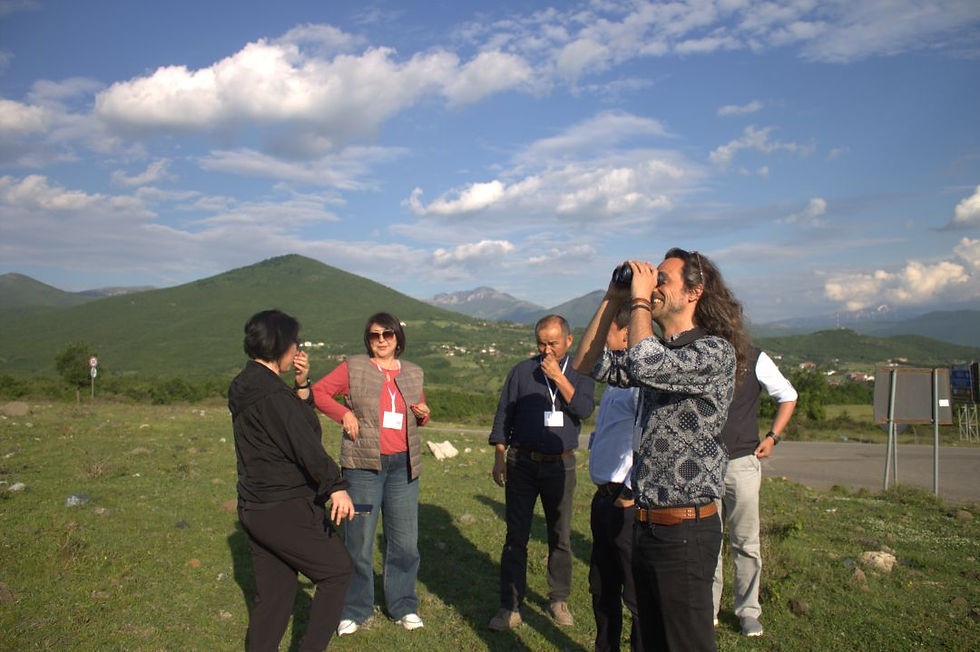
By the time we reached Shkodra and engaged with students and municipal leaders, the narrative had shifted. Instead of focusing on isolated challenges, we spoke about connections: between climate science and local knowledge, between youth and governance, between tourism and sustainability. The message was clear – protecting the valuable areas must evolve from static documents into adaptive, climate-smart action.
The study visit was more than a journey through mountains. It was a reminder that conservation is a
path we must walk together - scientists, rangers, communities, and policymakers - if we are to turn
strategies into practice. To truly protect mountain landscapes, we cannot only “talk” about climate
resilience; we must walk it, side by side.
Comments